

2026 Volvo vs. Subaru Comparison
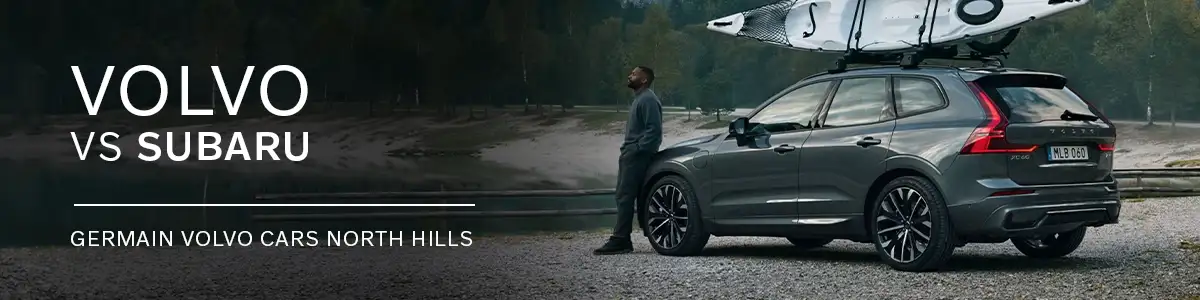
Volvo and Subaru are both brands that do things a little differently. Subaru was a major factor in all-wheel drive becoming a mainstream feature for everyday vehicles, and the continued insistence on horizontally opposed engine design is certainly not something that you’ll find in other brands. Volvo, on the other hand, has been a huge safety pioneer, moving the whole industry forward in quite a few ways. And Volvo’s Scandinavian design ethos has proven to be a welcome alternative to flashy German interpretations of luxury. But how do these brands compare to each other? Let’s see.
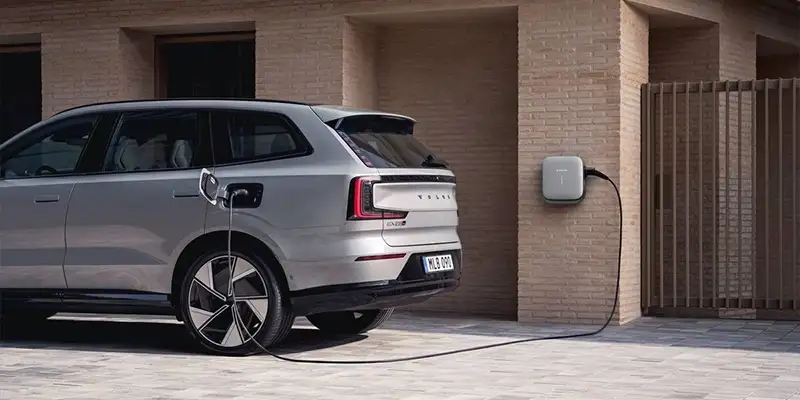
Electric Powertrain Innovation
Electric drivetrains offer a number of advantages, like smooth and quiet power delivery, reduced emissions, and the ability to “refuel” at home and never need a gas station. Volvo has heavily committed to this new technology and offers several plug-in hybrid and pure electric models. On top of that, every Volvo that isn’t an EV or plug-in hybrid is a mild hybrid, so there is no 2026 Volvo model without some form of electrification. Subaru hasn’t committed to electrification to nearly this extent, offering two conventional hybrids and just one pure EV. Here are the Volvo models that are either PHEVs or pure EVs:
- XC60 Plug-In Hybrid
- XC90 Plug-In Hybrid
- EX30
- EX40
- EX90
Safety
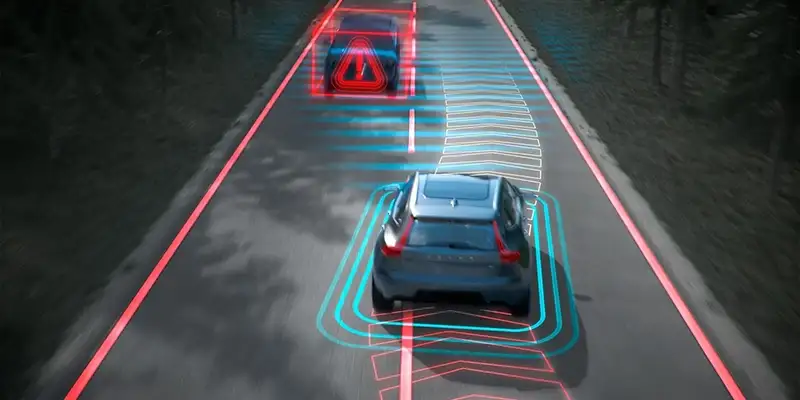
The word safety is likely one of the first that pops into your head in association with Volvo. Volvo has introduced quite a few safety technologies to the automotive world, with inventions ranging from three-point safety belts and rear-facing child seats up to more modern ones like run-off road protection. But it’s not just the innovation; this technology is also so well implemented that every 2026 Volvo model tested so far by the National Highway Traffic Safety Administration (NHTSA) has been given a five-star crash test rating. Here are the models that have been rated so far:
- 2026 Volvo XC40 MHEV (FWD)
- 2026 Volvo XC40 MHEV (AWD)
- 2026 Volvo V60 CC MHEV
- 2026 Volvo XC60 MHEV
- 2026 Volvo XC60 T8 PHEV
- 2026 Volvo XC90 MHEV
- 2026 Volvo XC90 T8 PHEV
Volvo XC90 VS Subaru Ascent
 |
 |
|
|
2026 Volvo XC90 B5 Core |
VS |
2025 Subaru Ascent Touring |
| $62,345 ✓ |
MSRP* |
$46,415 |
| 23 / 30 / 26 ✓ |
Fuel Economy (city / highway / combined) |
19 / 25 / 21 |
| 8-speed automatic ✓ |
Transmission |
CVT |
| Double wishbone ✓ |
Front Suspension |
Strut |
| 85.7 cubic feet ✓ |
Max Cargo Capacity |
72.8 cubic feet |
| 12.3-inch digital ✓ |
Gauges |
Analog |
| Standard ✓ |
Hands-Free Tailgate |
Not Available |
| Standard ✓ |
Park Assist |
Not Available |
| Standard ✓ |
Wireless Charging |
Not Available |
| 36 months / 30,000 miles ✓ |
Hands-Free Tailgate |
None |
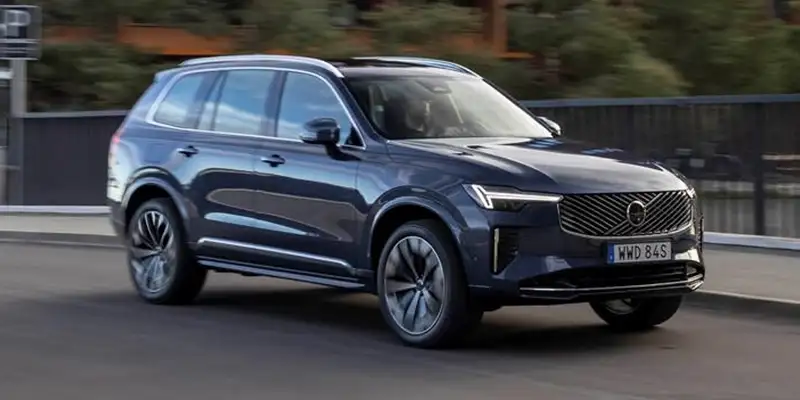
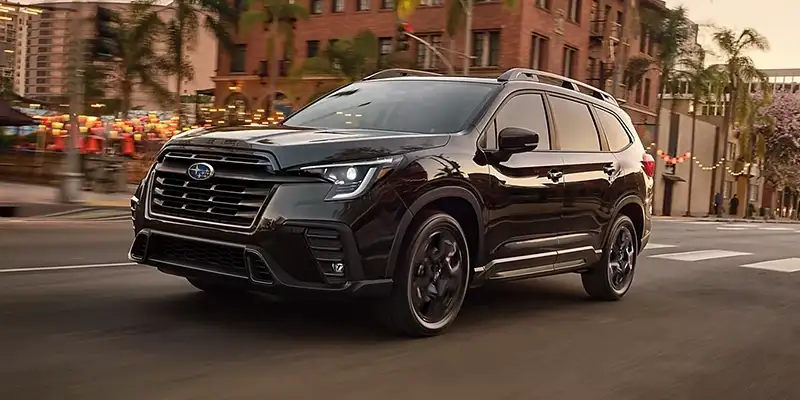
Both brands have a three-row SUV in the lineup, which for Volvo is the XC90, and for Subaru is the Ascent. The Subaru seems to have a price advantage, but the difference in fuel economy is enough that you’ll notice a difference in what you’re spending at the pump almost immediately. Another difference you’ll notice right away is what it feels like to drive each vehicle. The Volvo has an advanced 8-speed automatic transmission and double wishbone front suspension, for engaging and linear power delivery and precise handling. The cost-cutting CVT and strut suspension in the Subaru isn’t going to give you anywhere near as satisfying an experience. The two vehicles are very close in length, but the XC90 is a few inches wider, meaning it not only offers more cargo space, but fitting oddly-shaped cargo into the back is easier.
In terms of equipment, it really isn’t a close comparison. And it’s not just that a lot more comes standard on the XC90; quite a lot of the standard equipment on the XC90 isn’t available at all on the Ascent. That includes a customizable digital gauge cluster, a hands-free power tailgate, park assist, and a wireless charging pad. And to give you a bit more value for money on top of all of that, the XC90 comes with 3 years/30,000 miles worth of routine maintenance included in the price of the vehicle, but you’ll be paying out of pocket for all of that with the Ascent.
Volvo EX30 VS Subaru Solterra
 |
 |
|
|
2026 Volvo EX30 Plus AWD |
VS |
2025 Subaru Solterra Touring AWD |
| $46,245 ✓ |
MSRP* |
$46,415 |
| 253 miles ✓ |
Range |
222 miles |
| 422 HP / 400 LB-FT TQ ✓ |
Horsepower / Torque |
215 HP / 249 LB-FT TQ |
| 26 minutes ✓ |
DC Fast Charging Time (10 – 80%) |
35 minutes |
| 8 hours |
220v Home Charging Time |
11 hours |
| Active ✓ |
Blind Spot Monitoring |
Passive |
| Front / Rear ✓ |
Cross Traffic Alert |
Rear only |
| Standard ✓ |
Real-Time Traffic / Weather |
Not Available |
| 4 years ✓ |
Connected Features Included |
1 year |
| 48 months / 40,000 miles ✓ |
Included Maintenance |
None |
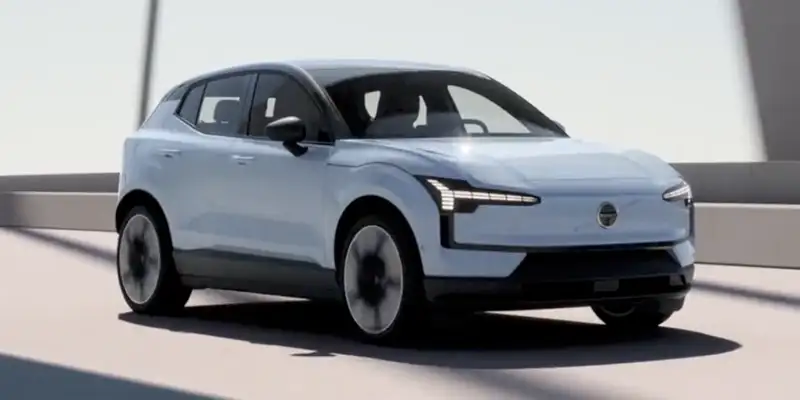
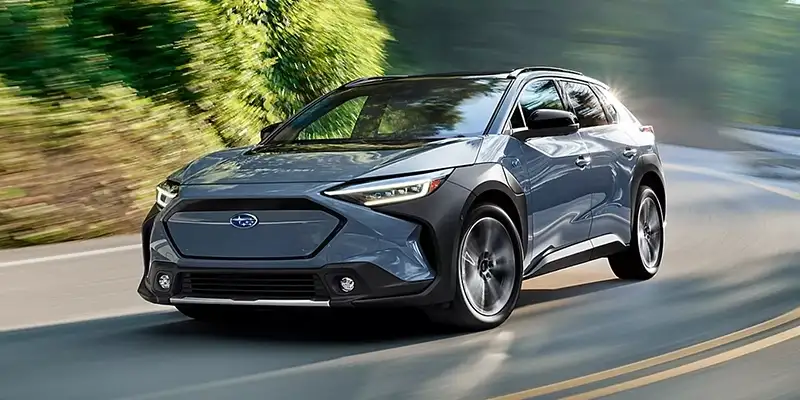
There is no other vehicle quite like the EX30, and the Solterra is the perfect comparison to illustrate this. Since the Solterra was developed in partnership with Toyota, the Solterra isn’t just the only electric Subaru model, but versions of it wearing different badges are also the only pure EV offered by Toyota and Lexus. Together, these represent quite a large portion of the automotive market. At first glance, these vehicles might seem pretty evenly matched, the price is nearly identical, and the range advantage of the EX30 is noticeable, but not so much that it would be a deciding factor by itself. But then you see the power output, the DC fast charging time, and the home charging time, and the advantage of the EX30 becomes a lot harder to ignore. On top of this, we’re looking at the all-wheel drive version of the EX30; there is also a rear-wheel drive version that undercuts the Solterra price by several thousand dollars, but still comes with more power, even better range, and the same charging advantages.
Safety being such an important area for Volvo, it’s not surprising that the EX30 comes with more advanced features, like active blind spot monitoring and a cross traffic alert for both the front and rear. The EX30 has better connected features too, including real-time traffic and weather information. And those connected features come with four years of service included in the price of the vehicle, compared to one year for the Solterra. Similarly, the EX30 comes with four years / 40,000 miles of included maintenance, and the Subaru once again offers none, despite costing slightly more this time.
*Starting Manufacturer’s Suggested Retail Price (MSRP) includes destination fee of $1,295. Images may reflect a more expensive trim level with optional equipment and accessories. Taxes, title, registration, license, insurance, maintenance, and other retailer fees are excluded from starting MSRP. Retailer sets actual price. See authorized Volvo Cars retailer for details.