

Which Volvo Is Best in the Snow?
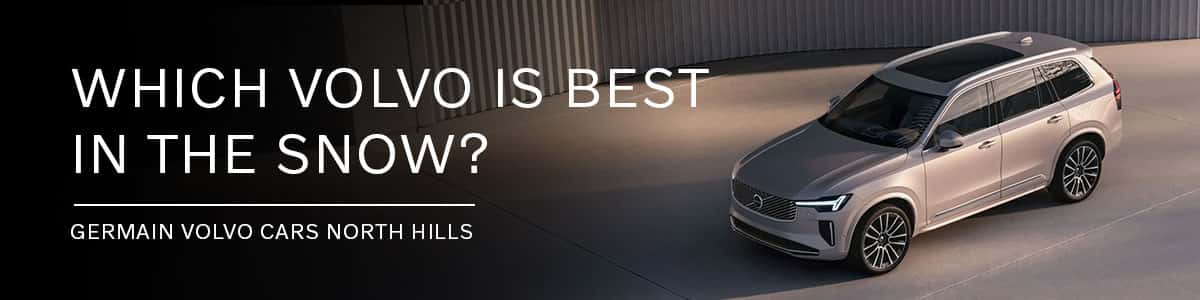
No matter how appealing a vehicle is, it is of only limited use if it isn’t good in the snow. Being from Sweden, Volvo has extensive experience in making vehicles that handle snow well, thanks to the especially long winters in Scandinavia. So Volvo is the natural place to begin your search for a vehicle that handles snow well. But there are a few details to consider when narrowing down which Volvo model is right for you. So we’re taking a look at Volvo’s three most popular models and how they do in the snow.
 |
 |
 |
|
|
|
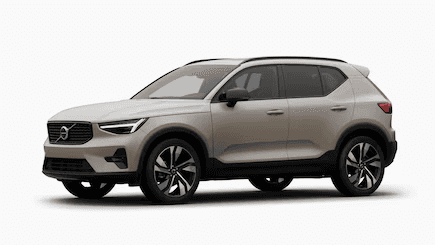
XC40 |
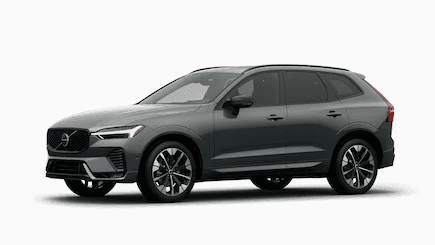
XC60 |
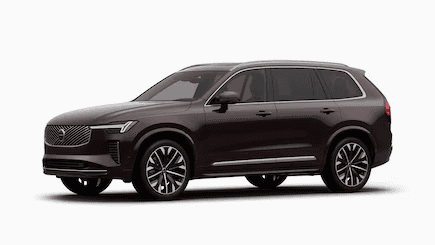
XC90 |
|
Starting MSRP |
$41,295 | $51,095 | $62,445 |
|
All-Wheel Drive |
Optional | Standard | Standard |
|
Curb Weight (pounds) |
3,670 (B4 FWD) 3,800 (B5 AWD) |
4,045 (B5 AWD) 4,649 (T8 AWD) |
4,442 (B5 AWD) 4,471 (B6 AWD) 5,104 (T8 AWD) |
|
Seats |
5 | 5 | 6 or 7 |
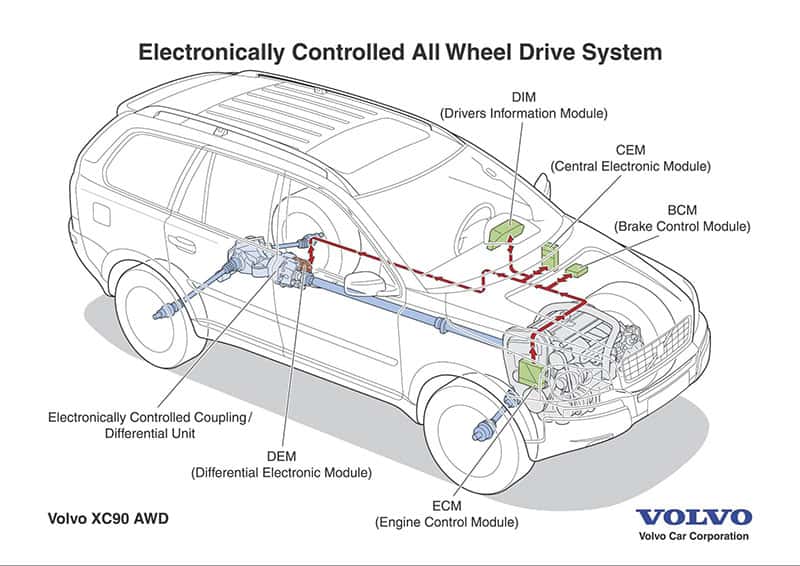
Volvo All-Wheel Drive
All-wheel drive is an extremely popular option in areas that get a lot of snow. As the name tells us, this is a configuration where power is sent to all four wheels at the same time. With twice as many wheels getting power, AWD systems will generally give your vehicle a better towing capacity than a FWD or RWD version of the same vehicle. An AWD system can also redirect power from wheels that are slipping, say on snow or ice, to wheels that have grip, with the system constantly adjusting as road conditions shift. While a good set of winter tires is always a good idea, especially when you combine snow with hilly terrain, AWD is also extremely useful in poor conditions.