

2026 XC60 Plug-In Hybrid vs. 2026 XC90 Plug-In Hybrid Comparison
Plug-In Hybrids are an excellent way to get the power, efficiency, and smooth ride of an electric vehicle, but without the limited range or long charging times. That’s why Volvo makes two PHEV models: the XC60 Plug-In Hybrid and the XC90 Plug-In Hybrid. Though these two models share the same drivetrain, there are still important differences between them, and anyone in the market for a safe and sophisticated PHEV SUV should know what those differences are in order to make a better-informed decision.
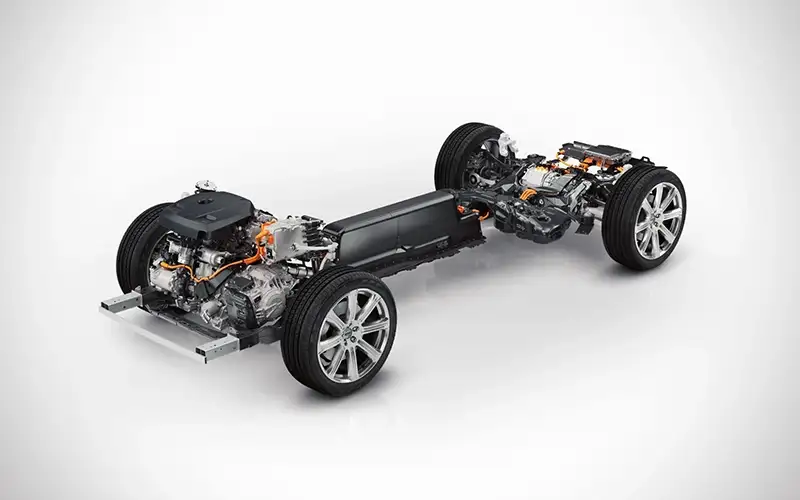
Plug-In Hybrid Drivetrains Explained
The idea behind a plug-in hybrid (PHEV) drivetrain is to give you the best of both worlds: electric propulsion for incredible power and efficiency, and a gasoline engine for long-range driving. There is usually sufficient all-electric range for most people to be able to handle the daily commute to work without using any gasoline at all, and compared to an all-electric vehicle, the smaller battery recharges much quicker. Or if you want to really turn up the performance, you can use power from both the electric motor and gasoline engine at the same time. This kind of versatility is why PHEV drivetrains have been so popular, and why Volvo offers its two most popular models with the option of the T8 PHEV drivetrain.
XC60 Plug-In Hybrid VS XC90 Plug-In Hybrid – Performance
 |
 |
|
|
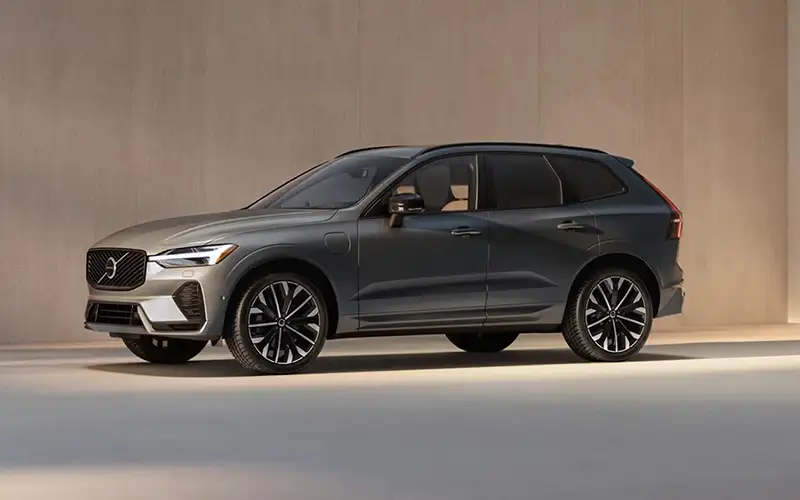
2026 Volvo XC60 Plug-In Hybrid |
VS |
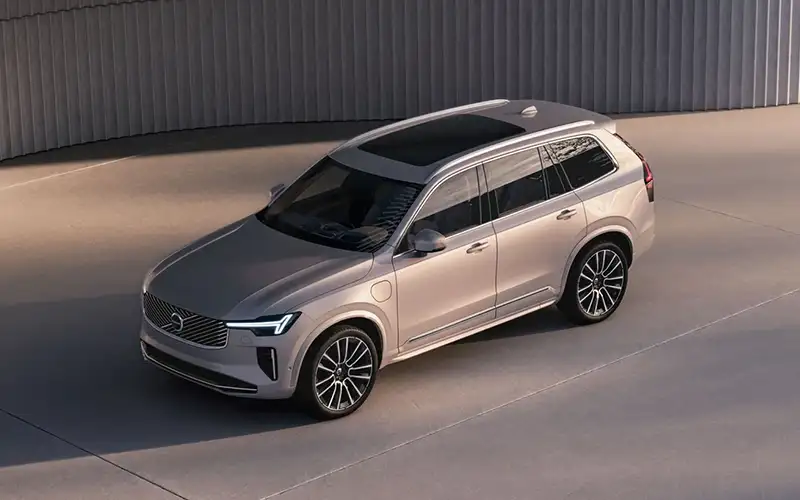
2026 Volvo XC90 Plug-In Hybrid |
| 455 |
Horsepower |
455 |
| 523 lb-ft |
Torque |
523 lb-ft |
| 4.5 seconds |
0-60 Time |
5.0 seconds |
| 63 MPGe |
Fuel Economy (combined) |
58 MPGe |
| 35 miles |
All-Electric Range |
32 miles |
| 3,500 pounds |
Towing Capacity |
5,000 pounds |
Since both of these models use the same drivetrain, performance is obviously going to be similar. The differences in acceleration, fuel economy, all-electric range, and towing capacity all stem from the difference in size between the XC60 and XC90. Both vehicles use the same 18.8 kWh battery, which takes 5 hours to fully charge on a home Level 2 charger. All-wheel drive is also standard on both vehicles, along with the 8-speed Geartronic™ automatic transmission. You even get the same 22.9-foot charging cable included with both vehicles. So, while there are differences between these two vehicles when it comes to performance, the difference is not so great as to be much of a factor in choosing which is best for you.
There is one exception to this similarity, though, and it comes in the form of a trim level that is available for the XC60 Plug-In Hybrid, but not the XC90 Plug-In Hybrid. That trim is the Polestar Engineered trim, a performance-oriented trim that highlights the incredible power of the T8 drivetrain. While the drivetrain remains the same, the chassis has been tuned by Polestar, the firm that has long worked with Volvo to produce race cars and high-performance versions of road-going vehicles. It also comes with unique wheels and Öhlins shock absorbers that reduce roll and increase grip while cornering.
XC60 Plug-In Hybrid VS XC90 Plug-In Hybrid – Dimensions
 |
 |
|
|
2026 Volvo XC60 Plug-In Hybrid |
VS |
2026 Volvo XC90 Plug-In Hybrid |
| $62,545 |
Starting MSRP* |
$77,595 |
| 5 |
Seats |
7 |
| 185.4 inches |
Overall Length |
195 inches |
| 78.7 inches |
Width |
79.1 inches |
| 38 inches / 38 inches |
Headroom (front / back) |
38.9 inches / 38.5 inches |
| 41.5 inches / 38 inches |
Legroom (front / back) |
40.9 inches / 37 inches |
| 63.3 cubic feet |
Max Cargo Capacity |
85.7 cubic feet |
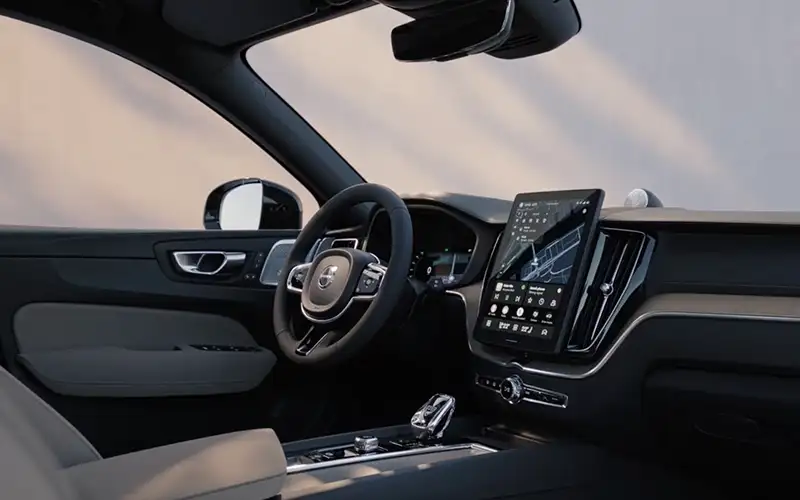
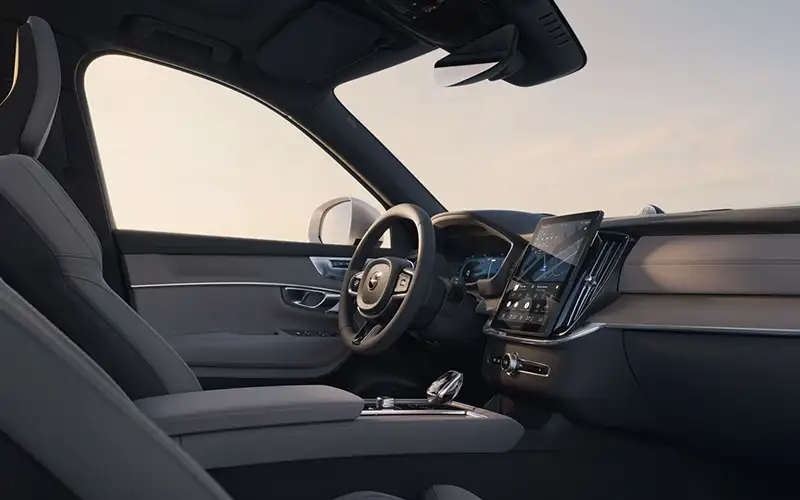
Here we see the biggest difference between the XC60 Plug-In Hybrid and the XC90 Plug-in Hybrid: the size. The area where this is most obvious is the seats: the XC90 has a third row of seats, while the XC60 stops at two rows. The two rows in the XC60 are a bit more spacious, since the extra length on the XC90 is slightly less than the space taken up by the third row. But if you regularly need seven or even six seats, there’s no substitute for that third row. The XC90 also offers a good deal more cargo space, assuming that all of the back seats are folded down. The cargo capacity behind the third row of seats in the XC90 is small, at 10.5 cubic feet, but fold the third row down, and the area behind the second row is a spacious 34.5 cubic feet, compared to 21.1 cubic feet behind the second row in the XC60. Which of these two is right for you is a matter of how much space you need. The XC60 has a lower price and superior performance, but when it comes to transporting people, the XC90 has the obvious advantage.
*Starting Manufacturer’s Suggested Retail Price (MSRP) includes destination fee of $1,395. Images may reflect a more expensive trim level with optional equipment and accessories. Taxes, title, registration, license, insurance, maintenance, and other retailer fees are excluded from starting MSRP. Retailer sets actual price. See authorized Volvo Cars retailer for details.